
Hydraulic Core Drilling Rig Selection Guide: Specifications, Tooling, Costs and Supplier Checklist
Published: 05.OCT.2026



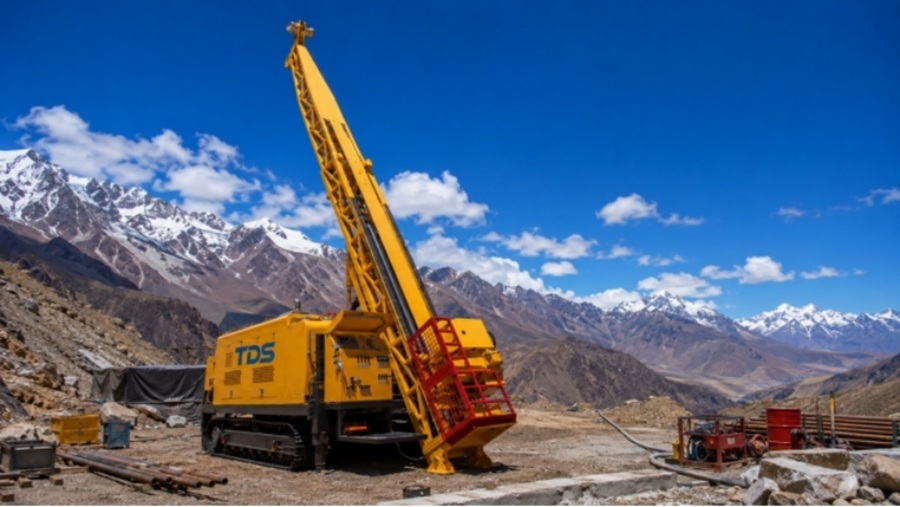
Selecting a hydraulic core drilling rig starts with understanding the drilling conditions rather than comparing machine specifications alone. Drilling depth, core diameter, ground conditions, access limitations, and tooling support all influence whether the rig can achieve stable core recovery and acceptable project costs.
A hydraulic core drilling rig offers control over rotation, feed force and pullback, required for mineral exploration, geotechnical investigation and other projects that call for obtaining a representative rock sample. The rig is only one part of a larger system, though. Rods, core barrels, bits, flushing equipment, clamps, winches, spare parts and operator support are all required at a site and should be appropriate to the drilling method used.
How does hydraulic drilling solve practical site problems?
Hydraulic power allows the operator to control rotation speed, feed force, pullback force and flushing flow during drilling. This control is particularly important when the project requires stable penetration, reduced vibration or continuous core recovery.
Once the hydraulic system is selected, maintenance requirements become an important factor affecting long-term operation. Before buying, the buyer should study the hydraulic hose routing, pump capacity, filtration, oil cooling, seal replacement and access to service parts to avoid excessive downtime. A rig with higher theoretical power may still experience unnecessary downtime if the hydraulic system is difficult to inspect or service in the actual operating environment.
Buyer concern |
Hydraulic system feature to verify |
Variable rock conditions |
Rotation and feed control range |
Deep-hole rod retrieval |
Pullback force and winch capacity |
Hot or dusty sites |
Oil cooling and filtration system |
Remote operations |
Spare seals, hoses and service access |
Frequent relocation |
Crawler mobility and transport dimensions |
How does a hydraulic core drilling operation usually progress?
A typical hydraulic core drilling operation includes the following stages:
1. Site assessment: Confirm ground conditions, target depth, access width, slope, water availability and environmental restrictions.
2. Rig positioning and leveling: Position the rig on stable ground and align the mast with the planned hole angle.
3. Tooling selection: Select the rod size, core barrel, bit type, casing and flushing method according to the formation and required core diameter.
4. Drilling parameter setup: Set rotation speed, feed pressure, pullback pressure and flushing flow within the recommended operating range.
5. Core retrieval: Recover the core at suitable intervals and record depth, recovery percentage, fractures, weathering and sample condition.
6. End-of-shift inspection: Check hoses, oil level, filters, clamps, fasteners, leaks and wear components before the next shift.
Where does a hydraulic core drilling rig fit?
Hydraulic core drilling rigs are typically used for projects that require core for mineral exploration, geotechnical investigation, slope stability analysis, tunnel design or foundation design. Core drilling is different from DTH drilling which is fast for rock drilling, and water well drilling which centers around large casing and circulation, as opposed to core holes.
Which equipment choices affect performance and jobsite risk?
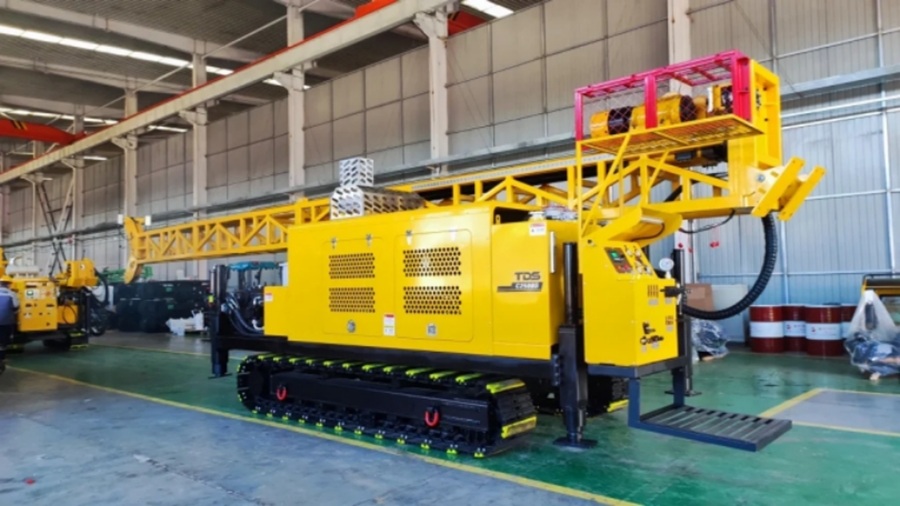
The drilling rig should be evaluated as a complete system rather than as a standalone machine. The required package may include drill rods, core barrels, bits, casing, flushing pumps, compressors, clamps, winches, rod racks, lubricants and critical spare parts.
Buyers should ask the supplier to provide a complete tooling list for the planned hole diameter and formation. The quotation should clearly separate standard equipment, optional equipment, consumables and recommended start-up spares. This prevents a low machine price from being offset by missing tooling or delayed consumables.
In practice, the selected tooling package often determines whether the rig can perform as expected. For example, the rod size, core barrel capacity, bit selection and flushing method need to match the formation and target core diameter. A mismatch in any of these areas can affect drilling efficiency even when the rig itself has sufficient capacity.
Which specifications should buyers compare first?
The main specifications to review before comparing prices include:
● Maximum drilling depth by hole and core diameter;
● Compatible rod and core-barrel sizes;
● Rotation speed range and rated torque;
● Feed force and pullback force;
● Mast angle adjustment and maximum drilling inclination;
● Hydraulic pump capacity and power-unit rating;
● Flushing-pump flow and pressure;
● Crawler width, transport dimensions and total machine weight;
● Winch capacity and rod-handling arrangement;
● Recommended formation range and bit options;
● Service access, spare-parts availability and documentation.
These figures should be reviewed together. For example, a high torque rating is not useful if the rig cannot provide sufficient pullback force for the planned rod string, or if the available flushing system cannot remove cuttings from the hole.
Specification |
Why it matters |
Buyer should request |
Maximum depth |
Determines project suitability |
Depth by core diameter and formation |
Torque |
Affects bit performance |
Rated and maximum torque |
Rotation speed |
Influences drilling control |
Speed range under load |
Feed/pullback force |
Affects penetration and retrieval |
Continuous and peak values |
Pump flow/pressure |
Controls flushing |
Flow at operating pressure |
Machine weight |
Affects transport and ground pressure |
Working and transport weight |
Crawler width |
Determines site access |
Minimum transport width |
Tooling compatibility |
Prevents procurement mismatch |
Rod, barrel and bit list |
What safety and compliance points need attention?
A pre-purchase safety review should cover considerations such as machine guarding, emergency-stop access, hydraulic-hose protection, rod-handling procedures, mast stability, crawler movement, lifting points, lockout/tagout and operator training.
Applicable safety requirements may vary depending on the country, project type and operating environment. Buyers should confirm the relevant regulations before operation.
Which applications justify a hydraulic drilling rig?
Projects requiring controlled drilling, deeper operation, mobility and consistent performance often use hydraulic rigs as part of the drilling solution. There are times when a crew needs samples, open holes, blasting holes or access to water and a hydraulic rig can be the best choice for each of these situations.
When is hydraulic core drilling the right method?
Core drilling, utilizing hydraulic core drilling, is utilized for both mineral exploration and geotechnical projects as recovered core provides invaluable information regarding the rock’s structure, any present fractures, weathering and material changes etc. Wireline core drilling also allows for a reduction in time spent retrieving core by not having to pull the entire drill string each time. This has great benefits when drilling deep holes.
When should buyers choose another drilling method?
Buyers should consider another drilling method when the project priority is rapid hole production rather than core recovery. DTH or top-hammer drilling may be more suitable for fast blasting or open-hole drilling, while a dedicated water-well rig may be better for large casing, high-volume circulation and domestic, irrigation or geothermal wells.
The decision should be based on the required sample, hole diameter, depth, ground conditions, casing method, flushing requirements and production rate. A single rig should not be assumed to be the most economical solution for every drilling application.
How should buyers compare cost, maintenance, and supplier support?
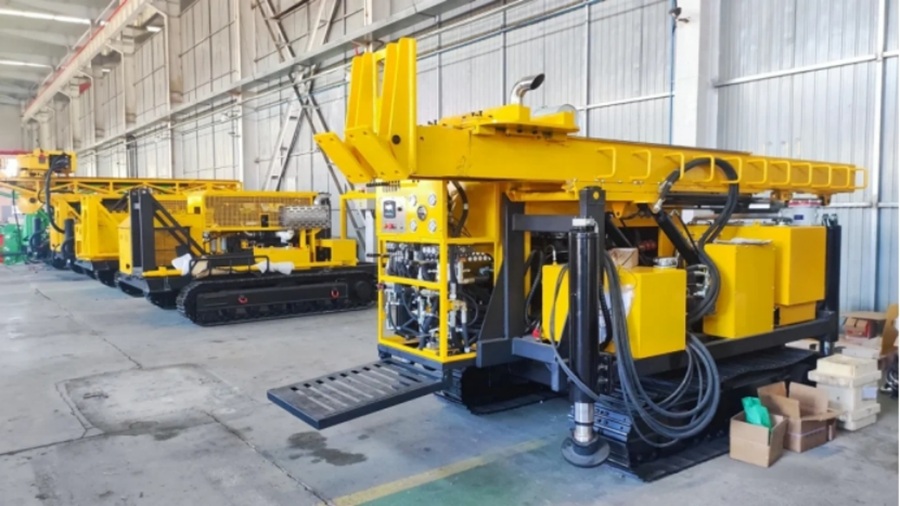
There’s more to owning a hydraulic system than the initial purchase price. Using clean oil, replacing filters, checking hoses for wear and replacing seals as required, servicing the cooling system and generally ensuring that the system is stored in a dry, clean environment are all essential for ensuring optimum performance. Of course, there are also the consumables and the down time to consider in working out a true project budget.
What cost factors are often missed?
A realistic project budget should include:
● Drill rods, bits and core barrels;
● Casing and adapters;
● Pumps, hoses, filters and lubricants;
● Freight, customs duty and site delivery;
● Operator training and installation;
● Start-up spare parts;
● Routine maintenance and hydraulic repairs;
● Expected downtime and lost production;
● Local service response and emergency support.
Total cost of ownership provides a more realistic comparison than the initial machine price alone. A quotation that excludes tooling, spare parts or delivery may appear competitive but create a higher first-project cost.
How should a supplier be evaluated?
A practical supplier review normally includes product range, technical communication, model selection advice, documentation, inspection photos, packing method, warranty terms, spare parts supply, and response time. Distributors may also need private branding, regional support, training materials, and reorder consistency.
What Information Helps Match the Right Drilling Configuration?
For geotechnical drilling projects, TDS provides hydraulic drilling equipment and related tooling options. The suitable configuration depends on target depth, core diameter, formation conditions, hole angle and site limitations.
The supplier should then confirm the recommended model, compatible rods and core barrels, pump and flushing requirements, standard and optional equipment, spare-parts package, warranty terms, inspection documentation and estimated delivery conditions. Buyers should compare this information with other quotations before making a final decision.
Conclusion
A hydraulic core drilling rig is indicated when controlled drilling is required, high core recovery is important, or when consistency is needed despite variable ground conditions. The choice of machine depends on the depth, diameter, formation, access, inclination, flushing, associated tooling, and service support.
A complete drilling package should be evaluated when comparing suppliers, including the machine specification, working pressure, rods, core barrels, bits, pumps, spare parts, documentation, warranty terms, delivery conditions and technical support.
To get a proper recommendation, the buyer should provide the Target depth, core diameter, formation, available access width, and inclination to the supplier.
FAQs
1. Is a hydraulic core drilling rig suitable for small geotechnical jobs?
It can be suitable when the project requires controlled coring, reliable sample recovery or drilling in a restricted-access area. For very shallow holes with simple ground conditions, a smaller or more specialized rig may provide a lower total cost.
2. What equipment should be ordered with a Hydraulic Drilling Rig?
The required package normally includes rods, bits, core barrels, pumps, hoses, filters, clamps, winch components, lubricants and wear parts. Matching these items with the drilling method helps avoid delays during initial operation.
3. Which applications need core recovery most?
Core recovery is often required for mineral exploration, foundation investigation, for excavations such as tunnels, slopes and dams, and for determining rock quality.
4. How often should hydraulic drilling equipment be maintained?
Refer to your manual for proper maintenance however prior to going out for a shift and after returning from a drilling shift make sure to inspect the following items for your components; hoses, leaks, filters, oil level, clamps, fasteners and any moving parts.
5. What information should be included in an RFQ?
An RFQ should state target depth, core diameter, expected formation, hole angle, access width, site location, daily production target, flushing method, available power or water supply, delivery requirements, training needs and spare-parts expectations.
Filed in: / Machines & Tools / Hydraulic Core Drilling Rig
Advertising